F1's V8 proposal, explained: a 2.1-litre turbo, half the electric power, and a fight over 2030 or 2031
The FIA's plan for the next F1 engine is a smaller turbo V8 with 100kW of constant electric help. What is in it, who objects, and why the start year is still open.
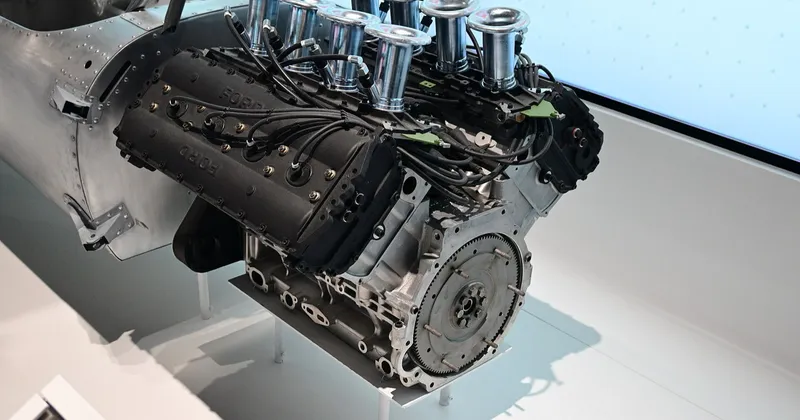
The FIA’s lead proposal for Formula 1’s next power unit is not a return to the naturally aspirated engines of the past. It is a turbocharged V8 with a much smaller electric side, and it was due in front of the manufacturers at a meeting on Monday 16 November. What nobody has settled is when it starts.
This explainer sets out what is in the proposal, as reported by three outlets, and where the open arguments are. None of it is final; the sources describe a framework that is still being refined.
What is in the engine
According to The Race’s Jon Noble, the broad terms are:
- A 2.1-litre V8, made by adding two cylinders to the current 1.6-litre V6, which limits the cost of designing a new combustion engine.
- A smaller turbo with reduced boost pressure.
- A smaller electrical element than today’s 350kW. The reported layout is a 200kW motor, of which only 100kW is available at all times. The other 100kW would feed an overtake or push-to-pass function.
- No refuelling. FIA single-seater director Nikolas Tombazis says the turbo removes the need for it, and that teams and the FIA are “not keen” on refuelling because it reduces strategic flexibility and adds complexity and risk.
Hypebeast, reporting on 29 October, gives a wider range: 2 to 2.3 litres and roughly 900 bhp, with fully sustainable fuels staying mandatory under simplified requirements. Its article carries a note that it is AI-assisted and reviewed by editors, so I treat its horsepower figure as indicative, not exact.
What the FIA wants it to do
Two aims run through the reports: cheaper engines and lighter cars.
FIA president Mohammed Ben Sulayem told The Race: “When you make it simpler, you can make it half of the price.” He hopes engine costs fall to about half of current levels. Hypebeast puts a number on that, saying the engine budget cap would be cut by 50% from $190 million a year.
On weight, The Race says the target is 80 kg off the car, against a current minimum of 768 kg. Tombazis: “overall our target is to be below 700kg, and I think it will be a significant step to make the cars more exciting.”
The proposal also answers a complaint that has followed the current rules, which Hypebeast summarises as drivers’ and manufacturers’ criticism of energy starvation and heavy complexity. A smaller electrical element with a constant 100kW is how the proposal is presented as answering both.
A compromise on engine type
Hypebeast describes the plan as a compromise. Ben Sulayem had pushed for a naturally aspirated V10 or V8. AutoRacing1, citing German magazine Auto Motor und Sport, says the president prefers a naturally aspirated V8 with no hybrid system, but that this is now the fallback. Manufacturers want to keep turbocharging and some electrification for efficiency and road-car relevance, so the turbo V8 is the option they are reported to favour.
There is a second fault line. The Race and Hypebeast both report an idea to have an outside supplier design a standard baseline power unit, which manufacturers could then modify. Current manufacturers resist it. The Race quotes a paddock source who says manufacturers need the power unit to stay a performance differentiator to keep committing to the sport.
Hypebeast says the proposal document was sent to Mercedes, Ferrari, Audi, Honda, Red Bull and Cadillac.
2030 or 2031
The start year is the real contest. The current regulations run to the end of 2030, so the natural date for V8s is 2031, The Race notes. Ben Sulayem wants 2030. According to AutoRacing1, manufacturers are reluctant to commit to that timetable.
The AutoRacing1 report, relaying Auto Motor und Sport, quotes an anonymous FIA insider: “If the manufacturers don’t agree to the proposal by the end of 2026, the FIA will implement its solution for 2031.” The same unnamed insider adds that if the manufacturers do not react quickly, the timetable for a 2030 change is in jeopardy. These are anonymous statements relayed second-hand, and the report does not say who is speaking.
Hypebeast says the finalised document goes to the FIA World Motor Sport Council in December, after several weeks of paddock discussion.
What we do not know
Three things are missing from the reporting I could read.
- The outcome of the Monday meeting. The Race previewed it and AutoRacing1 says it took place, but neither gives a result.
- A firm start year. Everything depends on whether the manufacturers sign up by the end of the year.
- The exact electrical split. The Race describes the figures as broad terms that are still being refined. The 200kW and 100kW numbers are reported, not published by the FIA.
What is clear is the trade the FIA is offering. Manufacturers get to keep the turbo and some hybrid technology that they say matters for their road cars. In return they take a cheaper, simpler unit and lighter cars. The disagreement is about the clock, not the concept.
Sources
More in Motorsport
-
Alonso will race the 2027 Dakar for Aston Martin, a month before F1 testing starts
Fernando Alonso confirmed a Dakar Rally return in an Aston Martin Dreadnought run by Prodrive. The timeline, the crew and the questions that remain, from the reports.
-
Las Vegas Grand Prix: five drivers within 33 points are racing for second in the standings
With Antonelli already champion and Mercedes the constructors' winner, the Strip weekend decides who finishes behind him. A look at the numbers and the cold-weather puzzle.
-
Madrid says its first Grand Prix generated €544 million, and the number comes with caveats
A PwC study commissioned by the Madring promoter puts the Spanish GP at €544m and 10,948 jobs. Here is what the figure measures, what Barcelona claimed, and what it leaves out.